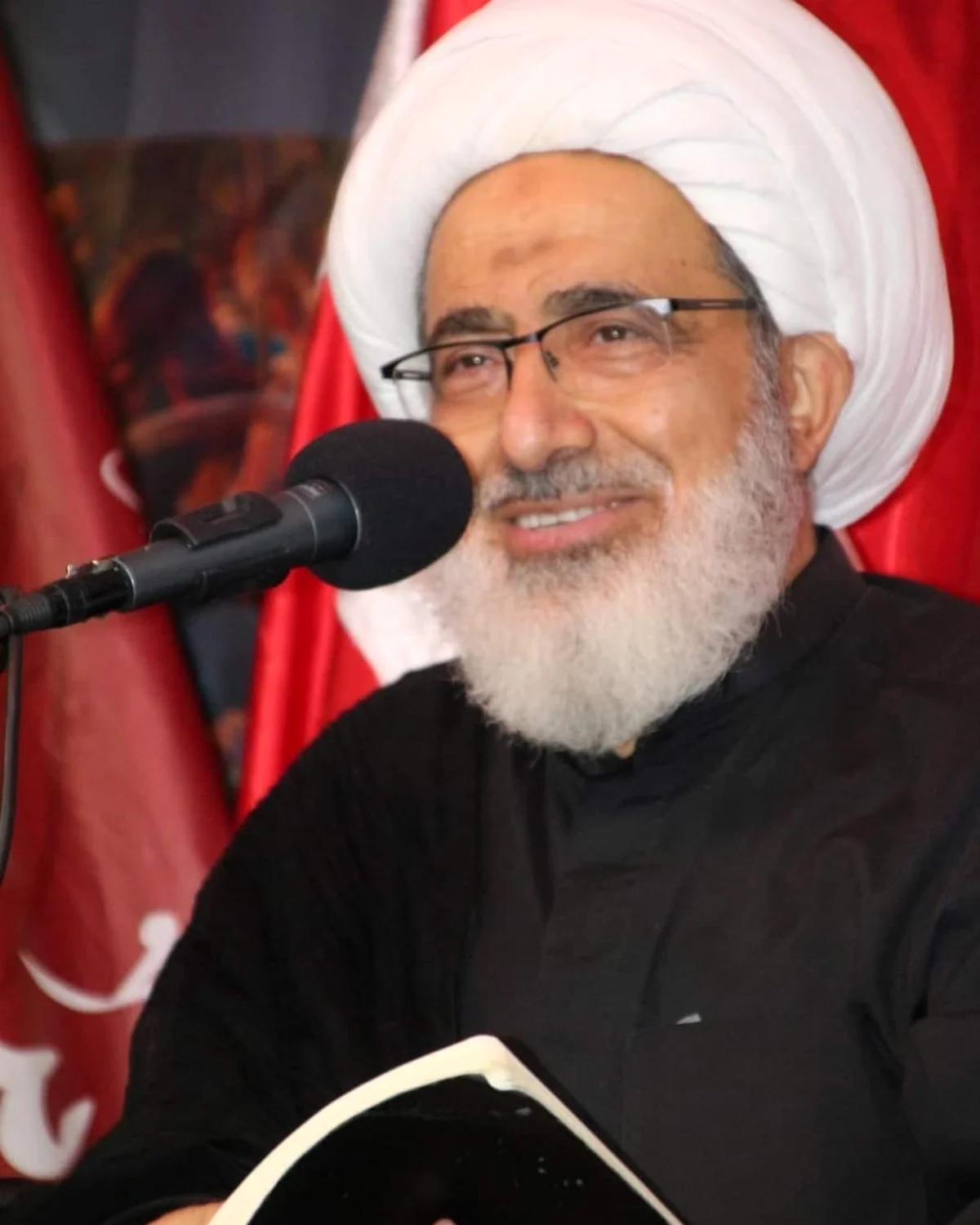
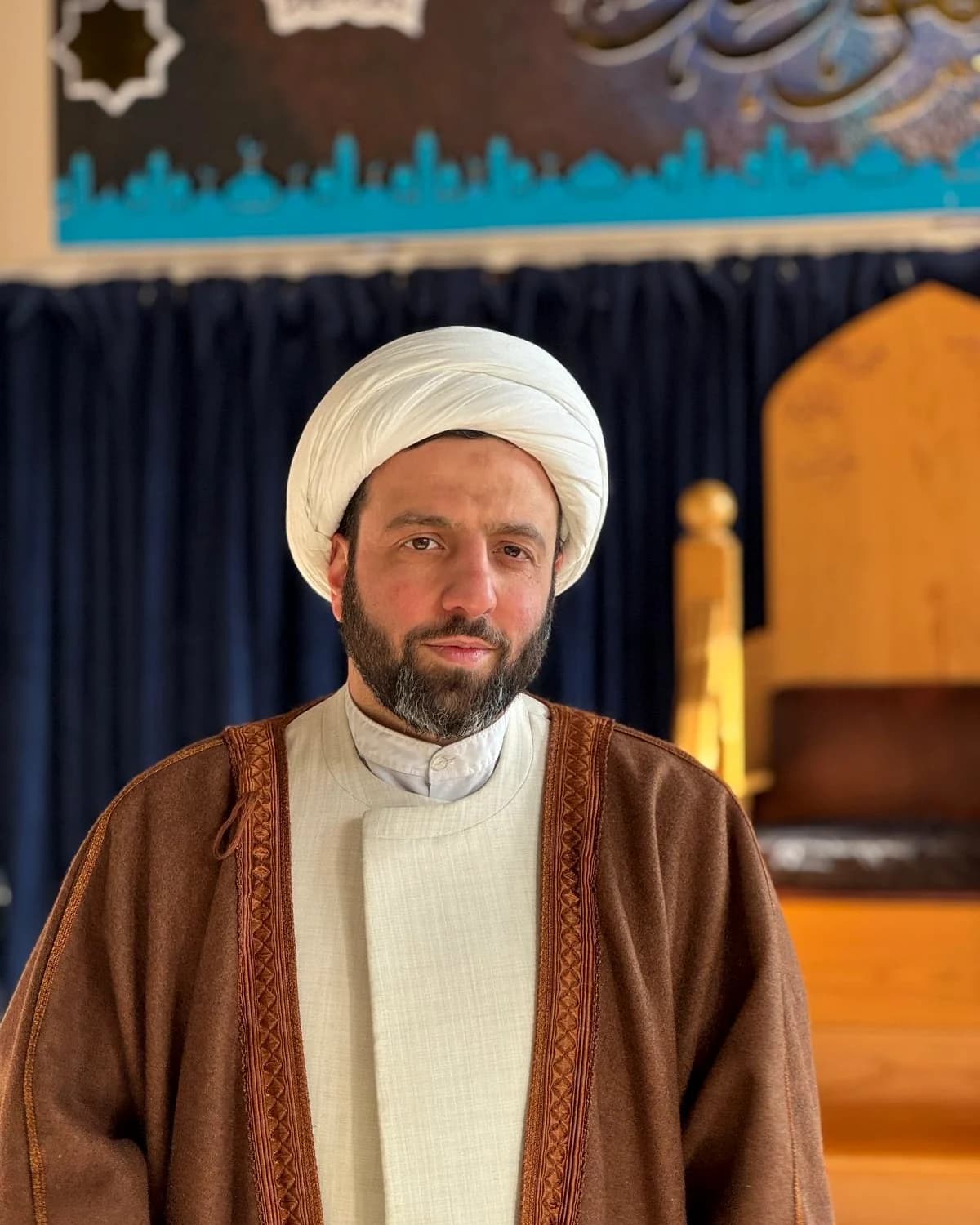
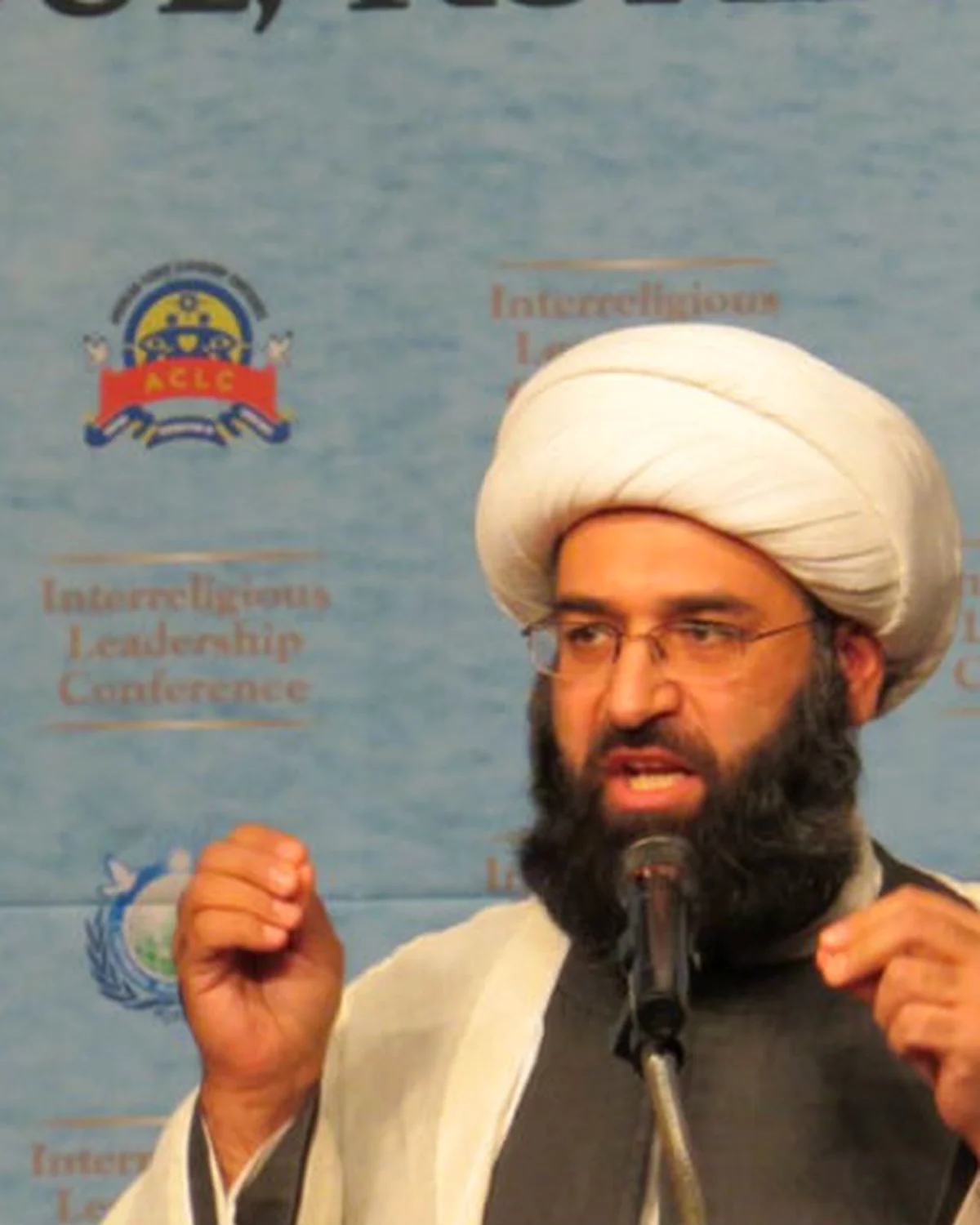
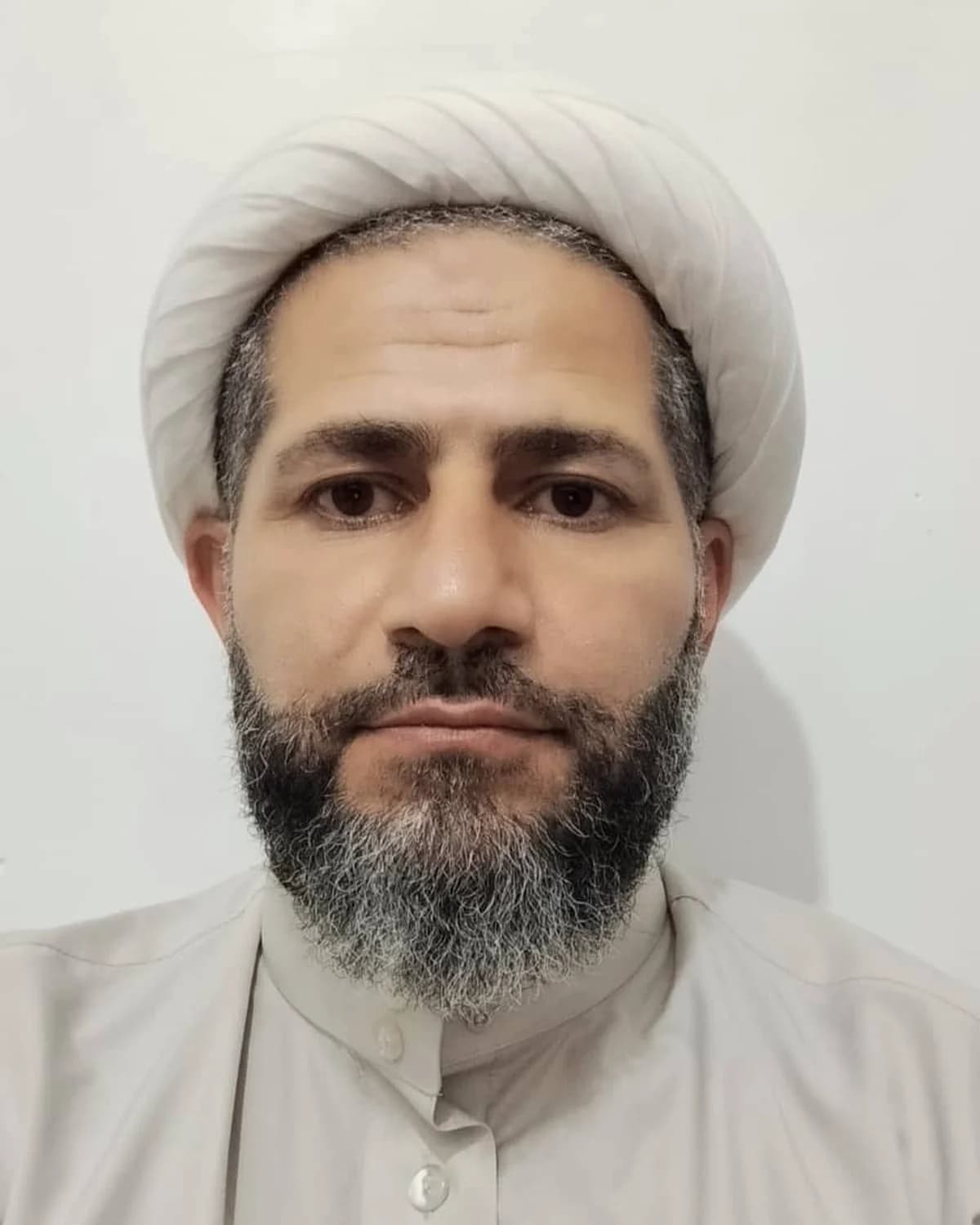
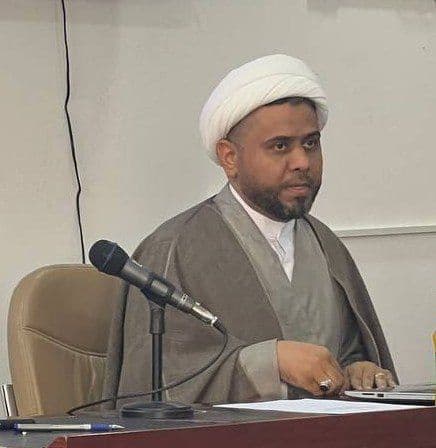
He was born in 1957 and grew up in Karbala, Iraq, in the vicinity of the shrine of the Master of Martyrs (peace be upon him).
He began his religious studies in the institute of holy Karbala under a select group of its scholars, including Ayatollah Shaykh Mujtaba al-Lankarani, Ayatollah Shaykh Muhammad al-Gharawi, his grandfather Ayatollah Shaykh Muhammad Ibrahim al-Khaliq, and his father Ayatollah Shaykh Muhammad Ali al-Khaliq.
He moved between the institutes of Karbala and Najaf al-Ashraf until he completed Kifayat al-Usul, and was examined in the advanced levels (al-suṭuh al-ʿulya) by an examination committee composed of Shaykh al-Ha'iri, Shaykh al-Rashti, Shaykh al-Kalbasi, and other scholars — he was thirteen years old at the time.
He then journeyed to the institute of Najaf al-Ashraf and sat for an examination in al-Makasib, al-Rasa'il, and al-Kifaya before Grand Ayatollah Sayyid Abu al-Qasim al-Khoei (may Allah sanctify his secret). Following this, he joined the advanced jurisprudence studies (bahth al-kharij) of Ayatollah Sayyid al-Khoei, Ayatollah Sayyid Muhammad al-Ruhani, and Ayatollah Sayyid al-Khomeini.
As oppressive and criminal practices intensified against men of thought, religion, and culture, he was forced, along with some other scholars, to leave Iraq. He travelled between Iran, Pakistan, Syria, and Lebanon. In Pakistan he attained the degree of al-Fadil al-Arabi, ranking first at the national level.
In addition to his elevated religious education in the institute, he completed his academic studies and obtained a Master's degree from the Arab University in Beirut. He remains deeply committed to the cultural and scientific advancement of the Ummah, working tirelessly to establish schools, institutes, mosques, libraries, and a university in the regions of the Alawite and Druze communities.
After passing the age of forty, he relocated to the West to begin a cultural, religious, and educational project, taking into account the unique characteristics, cultures, and languages of those countries. He established projects for orphans in Canada and Europe, as well as schools for children to teach the Holy Qur'an, ethics, and the Prophetic biography.
As a result of his extensive engagement in scholarly, cultural, intellectual, and social roles across many countries of the East and West, he became fluent in the languages of the nations he lived in. This wealth of experience gave him a deep understanding of diverse cultures and religions, which facilitated his cultural projects, including interfaith dialogue and rapprochement efforts in the Middle East, Canada, and France.
Carrying a deep concern for elevating the standing of Muslims in the West — so that Muslims might keep pace with their French compatriots in intellectual and civilizational advancement — he began, around 2014, the project of establishing a university: a cultural, educational, and religious project conducted in both Arabic and French, to which he devotes great attention.
He is known for a distinctive approach that combines the preservation of heritage and authenticity on one hand with openness to other cultures on the other, and he possesses a refined humane spirit. He believes strongly in institutional work, continues to carry out his guiding role for Muslims in Paris and throughout France, Britain, and Belgium, and delivers his advanced jurisprudence lessons (bahth al-kharij) to his students in the institute. He also has writings that remain in manuscript form.